Marine Project
Tanzania's Most Comprehensive Marine Ecosystem Assessment
The most current and detailed scientific baseline of Tanzania's coral reefs, seagrass meadows and seaweed ecosystems ever undertaken — across the entire coast and Zanzibar.
- Programme
- Pamoja Tuhifadhi Bahari Yetu (Together We Protect Our Ocean)
- Client
- The Nature Conservancy (TNC)
- Funder
- European Union — €110M Blue Economy Programme, channelled through IUCN to TNC, then to ASUTA
- Location
- Entire Tanzanian coastline — Tanga to Mtwara — and Zanzibar
- Period
- 2026 – 2027
- Status
- Ongoing
€110M
EU Blue Economy Programme
5
Ecological zones surveyed
2026–27
Two-year national assignment
6+
Research institutions coordinated
The Task
Tanzania's coral reefs, seagrass meadows, and seaweed ecosystems are among the most important in the Indian Ocean — but no single, comprehensive, up-to-date scientific assessment of all of them existed. TNC was commissioned by the EU and IUCN to produce this assessment, and they chose ASUTA as their primary implementing partner. The task was to survey, document, and assess the health of these ecosystems across the entire Tanzanian coast — and to calculate the economic and social value of what these ecosystems provide to people.
What We Did
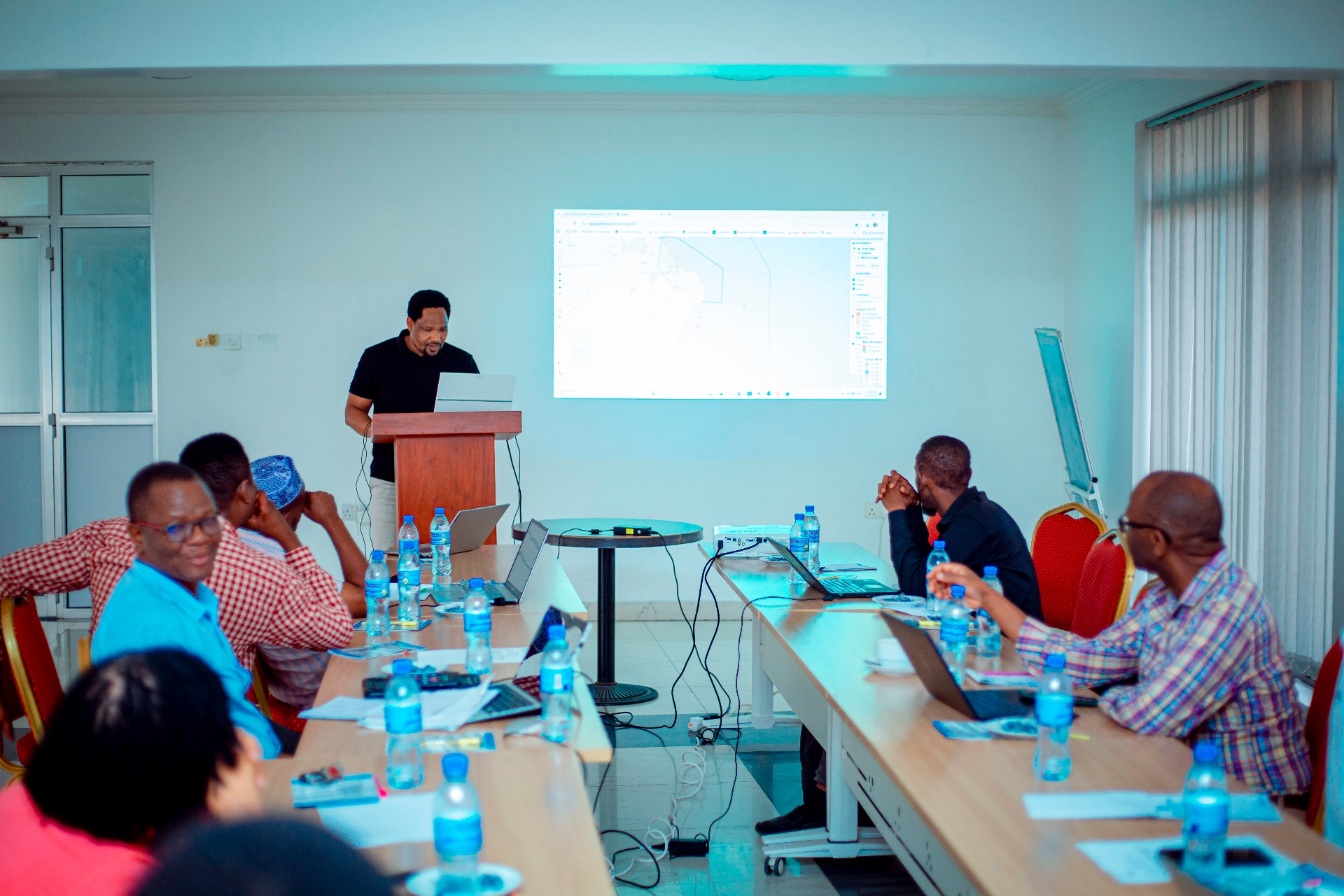
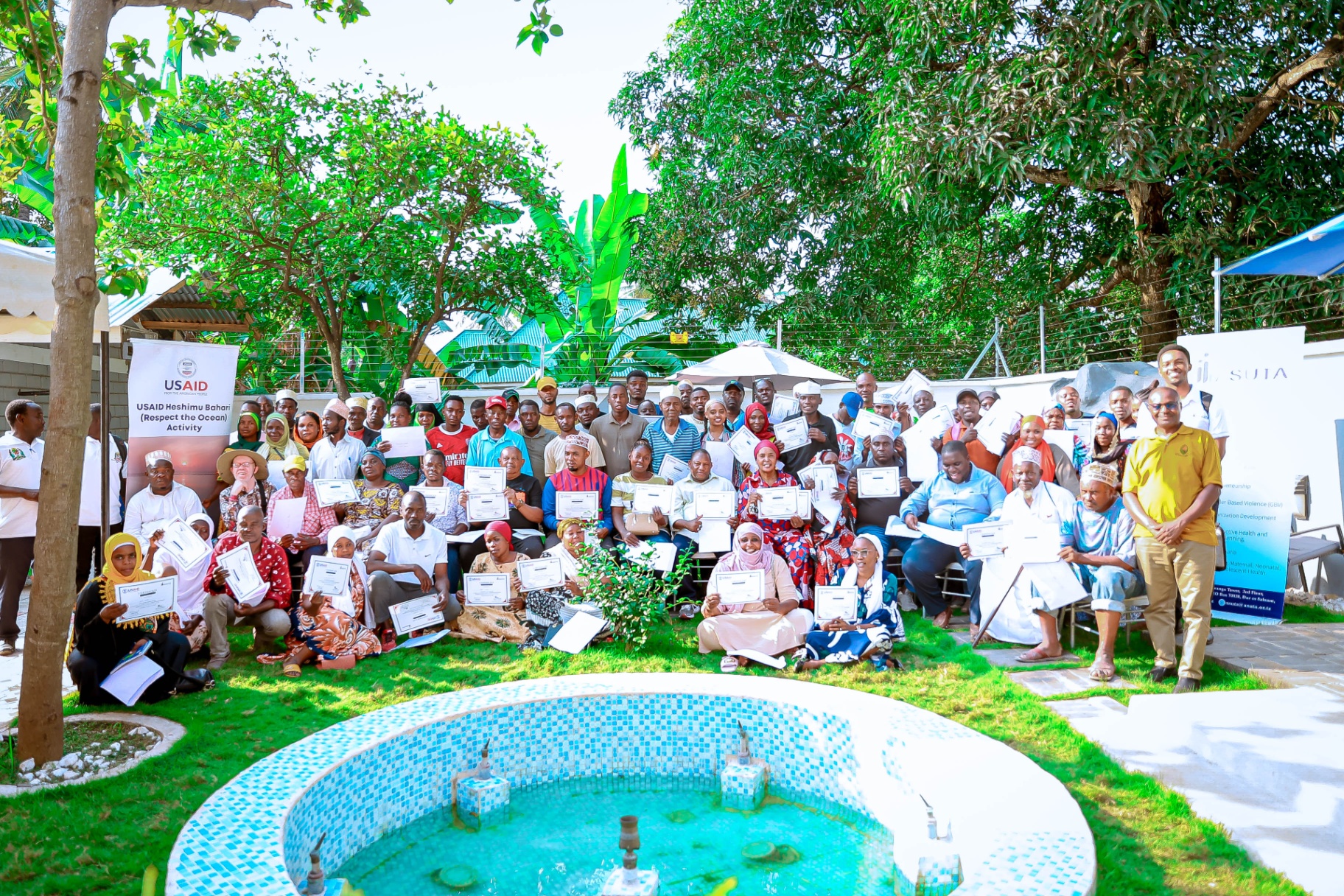
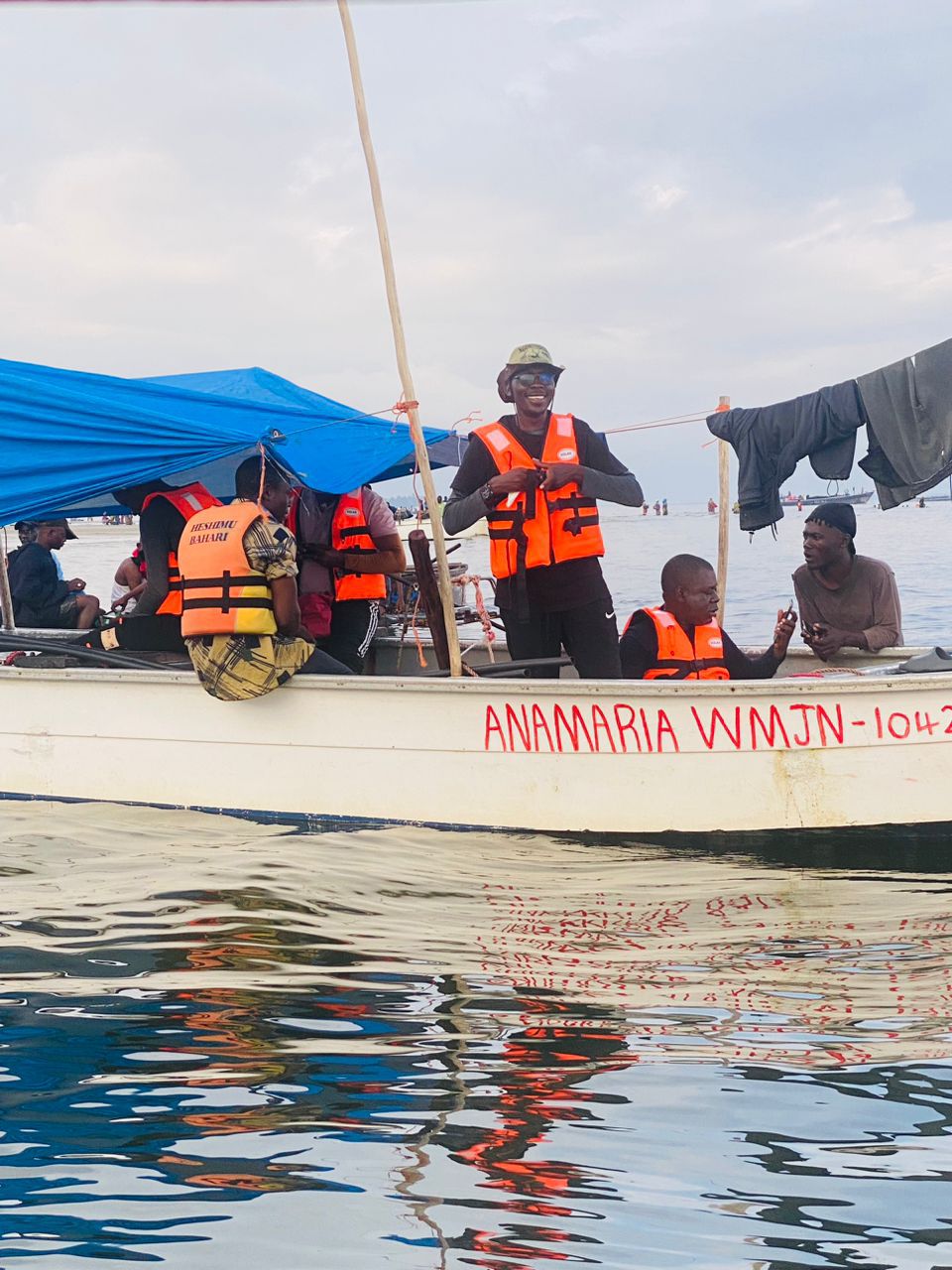
We are leading a multidisciplinary team of marine scientists drawn from Tanzania's most respected research institutions, including the Tanzania Fisheries Research Institute, the Institute of Marine Sciences at the University of Dar es Salaam, the Zanzibar Fisheries and Marine Resources Research Institute, the State University of Zanzibar, and the Marine Parks and Reserves Unit, among others. Field surveys are being conducted across five ecological zones spanning the entire coast — from Tanga in the north, through Dar es Salaam, Zanzibar, Mafia, and all the way to Mtwara in the south. The survey covers areas inside and outside marine protected areas. We are using advanced technologies including underwater cameras and GPS-linked depth sensors, with imagery processed for AI-assisted analysis.
What We Accomplished
This is an ongoing assignment running through 2027. What is already clear is that being selected by TNC and the European Union for this role — the most nationally significant marine science project ever undertaken in Tanzania — is itself a major achievement. It reflects the trust that the world's leading conservation organisations have placed in our work and our team. The results will produce the most current and detailed scientific baseline of Tanzania's coastal and marine biodiversity ever created — one that will guide conservation policy, investment, and management across the country for decades.
In partnership with
Work with us