
Community Project
Strengthening Coastal Communities to Protect Their Ocean
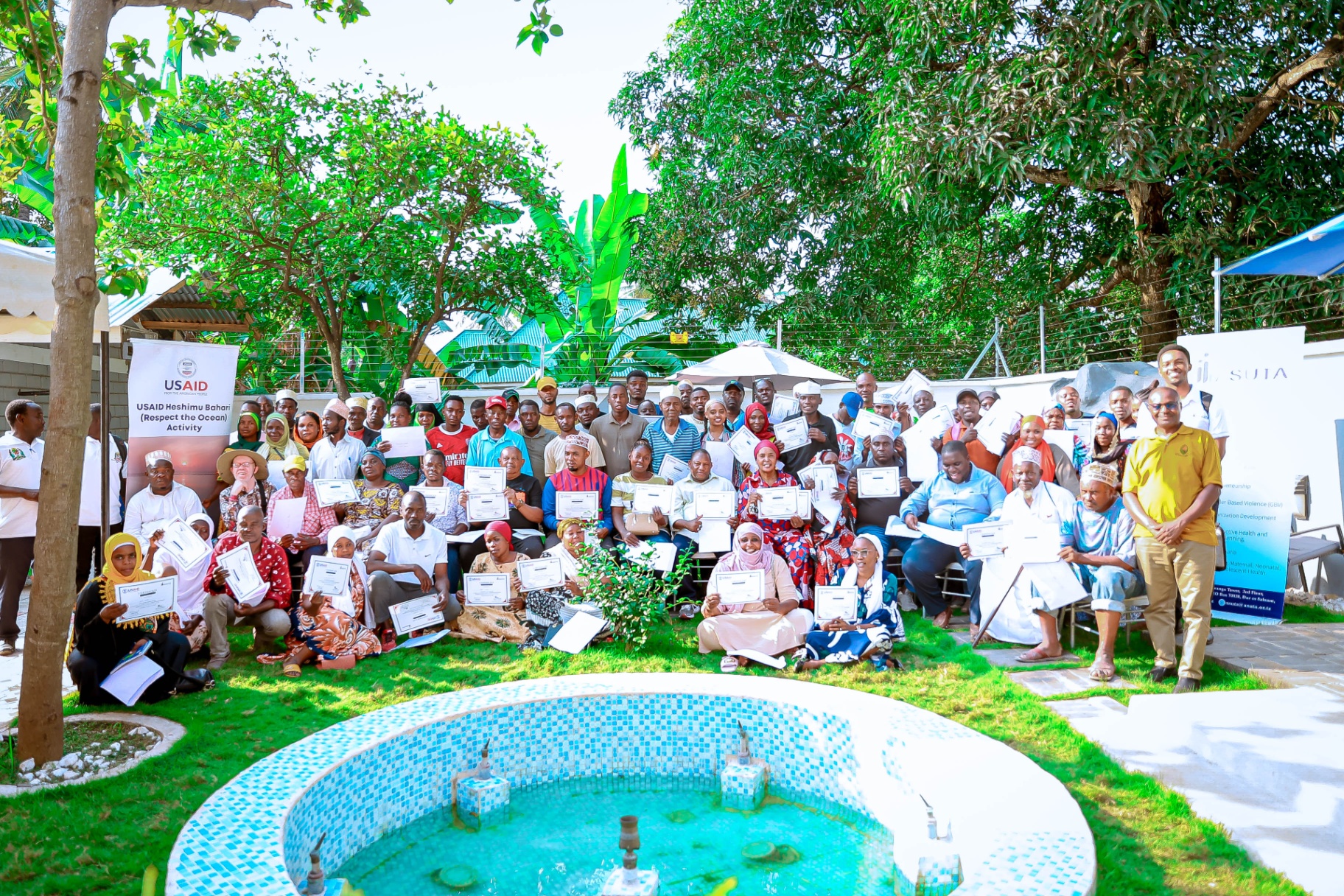
Over 750 community members trained across 84 Beach Management Units and 17 community fisheries management areas in two seascapes.
- Programme
- Heshimu Bahari (Respect the Ocean) — Community Based Activities
- Client
- ASUTA
- Funder
- USAID
- Location
- Dar es Salaam (Kinondoni and Kigamboni) and Mtwara
- Period
- 2022 – February 2025
- Status
- Stopped due to global USAID funding suspension
750+
Community members trained
84
Beach Management Units
17
Co-management areas
40
Marine officials upskilled
The Task
Scientific data alone does not protect the ocean. The people who live and work on the coast — fishers, women's groups, village leaders, and local resource managers — are the ones who interact with the ocean every day. For marine conservation to work, these communities need knowledge, skills, and a genuine stake in managing their own resources. Our task was to prepare coastal communities across Dar es Salaam and Mtwara to lead and own marine resource management in their areas.
What We Did
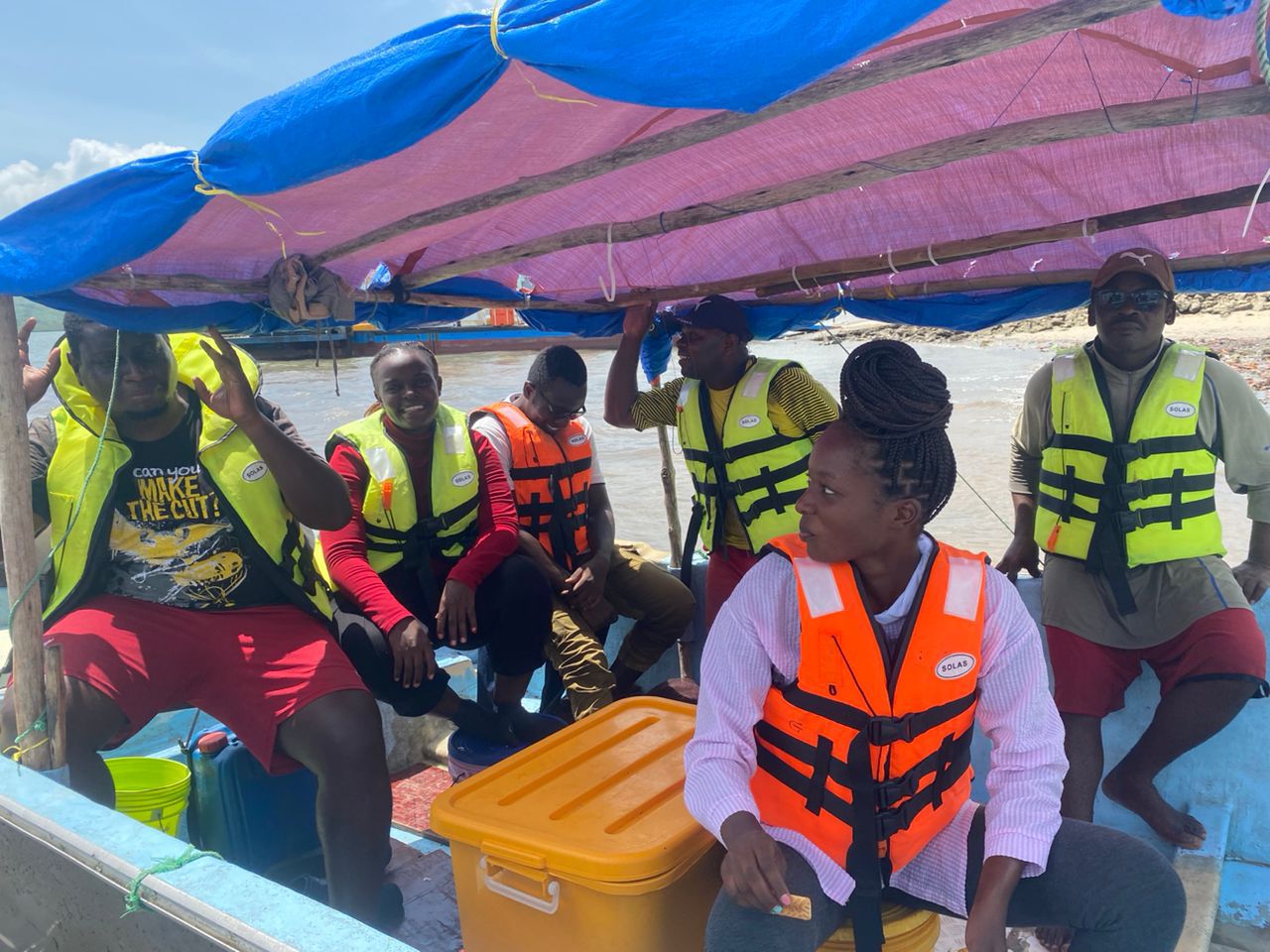
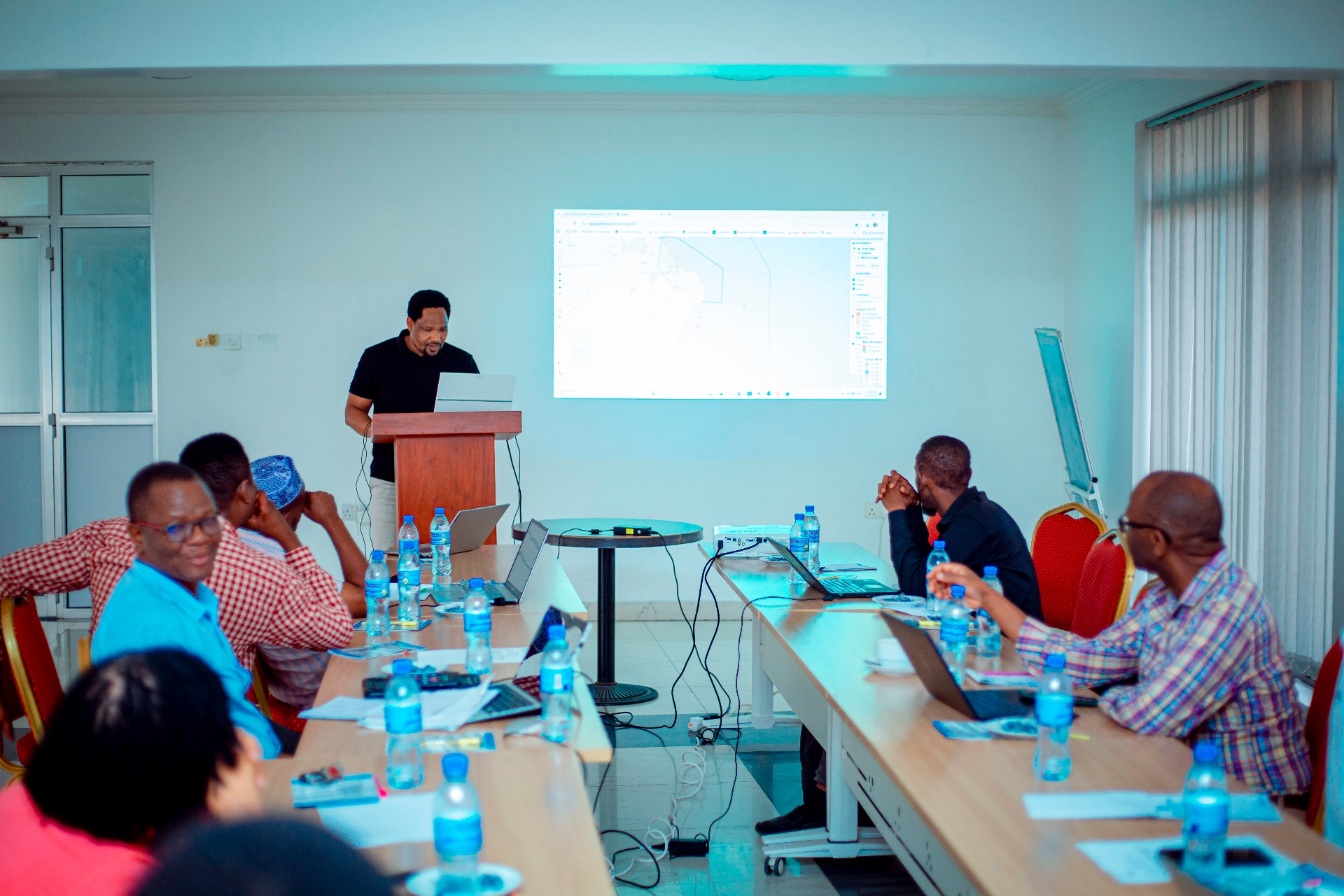
We worked across 17 co-management areas and 84 Beach Management Units, engaging local communities, marine resource managers, NGOs, local government, and fisheries institutions. We designed and delivered six training programmes covering sustainable use of coastal resources, climate resilience, leadership and co-management, inclusion and gender, gender-based violence, and socio-economic development. We also assessed the effectiveness of two marine managed areas and identified socio-economic groups that could be linked to financial institutions to improve their livelihoods. In Dar es Salaam, five groups were connected to potential financial partners, and in Mtwara, two more groups followed the same pathway.
What We Accomplished
Over 750 community members were trained across both seascapes. 40 marine managed area officials received targeted capacity building. 17 community fisheries management areas were strengthened, and communities across Dar es Salaam and Mtwara now have improved knowledge, structures, and plans to manage their marine resources more effectively. This project was stopped in February 2025 following the US government's global stop-order on USAID-funded projects — not due to any performance issues.
Important Context
Closure was a global donor decision — not a reflection of project performance, partnerships, or community results.
Work with us